




A Garden Full of Life and Harmony
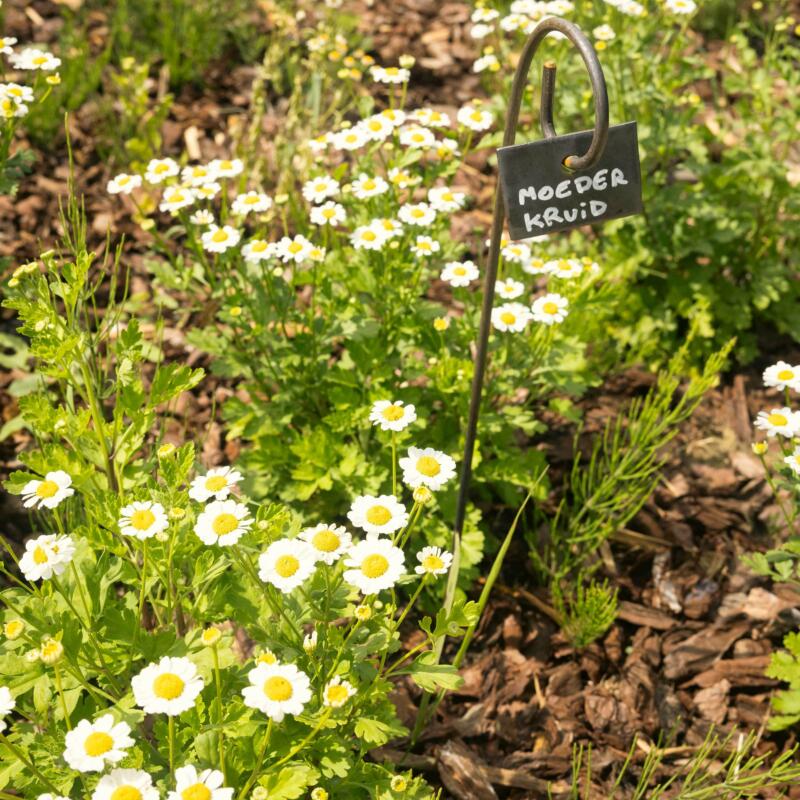
We planted everything residents might need as close to their homes as possible. In designing the garden, we carefully considered the layout of the geothermal pipes to ensure everything remained both technically sound and visually pleasing.From every window overlooking the garden, a harmonious landscape unfolds—layered with low-growing plants, shrubs, and trees. Larger trees, like hazel and pecan, were given plenty of space to grow, while compact fruit trees were planted in smaller areas. Beneath the trees, a rich undergrowth of shrubs, perennials, and ground covers creates depth, texture, and a sense of natural abundance.The garden paths combine straight lines with flowing, organic curves—always connecting, never ending in dead-ends. Along one of the straight paths, raspberries climb neatly along posts and wires.We deliberately chose a wide variety of plants and cultivars to enhance biodiversity and seasonal interest. For example, several types of sage—like variegated, Grower’s Friend, and Berggarten—bloom in succession, extending the flowering season. Various kinds of mint offer both variety and flavourful herbal teas. Some cultivars even pollinate one another, supporting a richer ecosystem. Beyond taste and scent, each plant was chosen with purpose: protein-rich nuts (like pecans), ornamental blooms (such as several kinds of mallow), and seasonal treats all have a role. Lesser-known species invite exploration and help residents reconnect with nature right outside their door.There’s also plenty to enjoy visually. Unusual cultivars with striking leaf patterns create a vibrant palette of greens—many of which hold their colour well into winter.And of course, strawberries were a must: a playful tribute to one of the residents’ childhoods, spent growing up on a strawberry farm. Not the usual varieties, but unique and aromatic ones—like the pineapple strawberry—add a touch of surprise and nostalgia.